


"A Future Feature Artist" is a presentation about proven methodologies and work diagrams specific to today's content-creation production pipelines, namely perception, composition, lighting, color and work practices for artists in film and television.
The core of the presentation focuses on my implementations and observations on work cycles along my 25 years career and on how they closely depend on and interact with other disciplines and departments.
Various production examples are analyzed throughout the panel using a cost-effective mentality thread. The objective of these lectures is to enhance both new and established studios’ delivery methods through basic guidelines, innovative solutions and open technical discussions.
It is based on 25 years of production experience and collected into a lecture series of over 10+ hours and 250+ slides, which can be tailored down to smaller dedicated panel discussions, the complete review covers these main topics.
Perception fundamentals
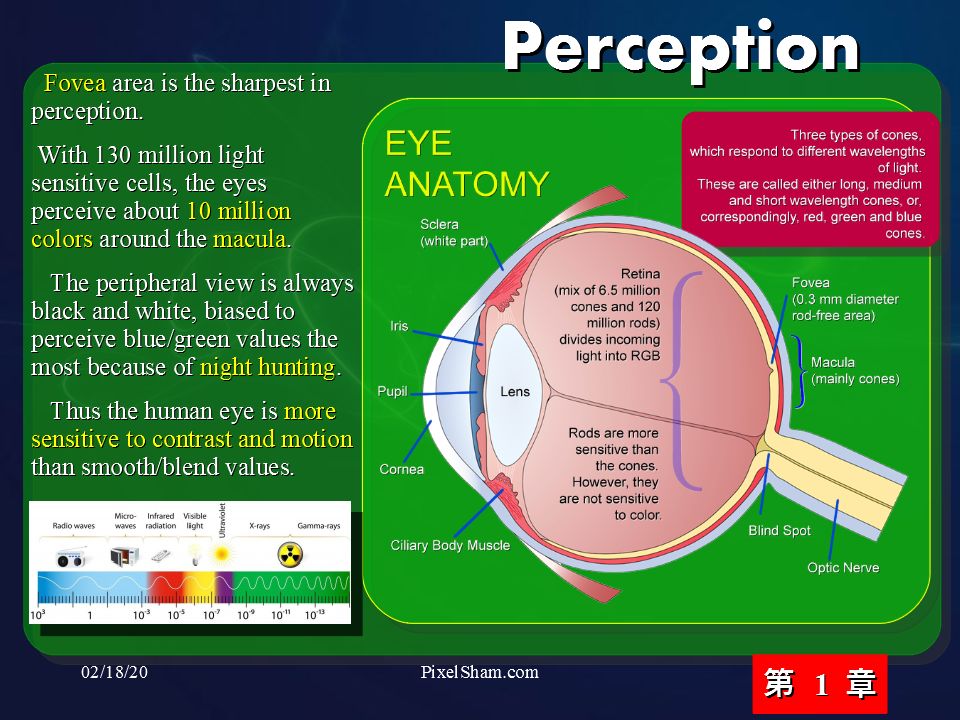
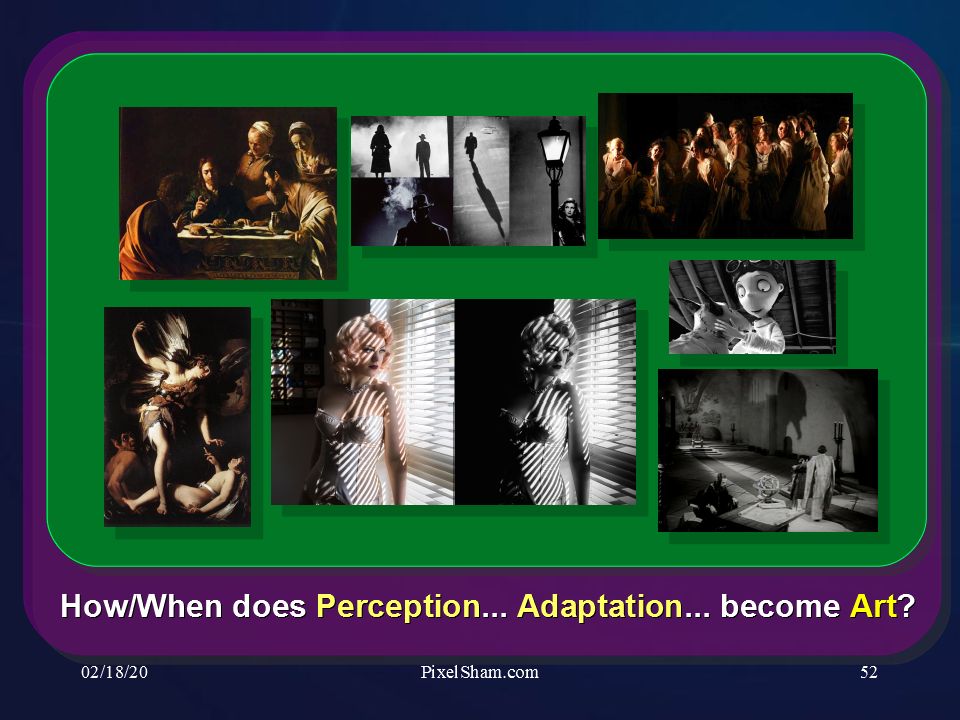
- How do we perceive the world: physiology and psychology
- How does the eye filters data
- Our perception dynamic range
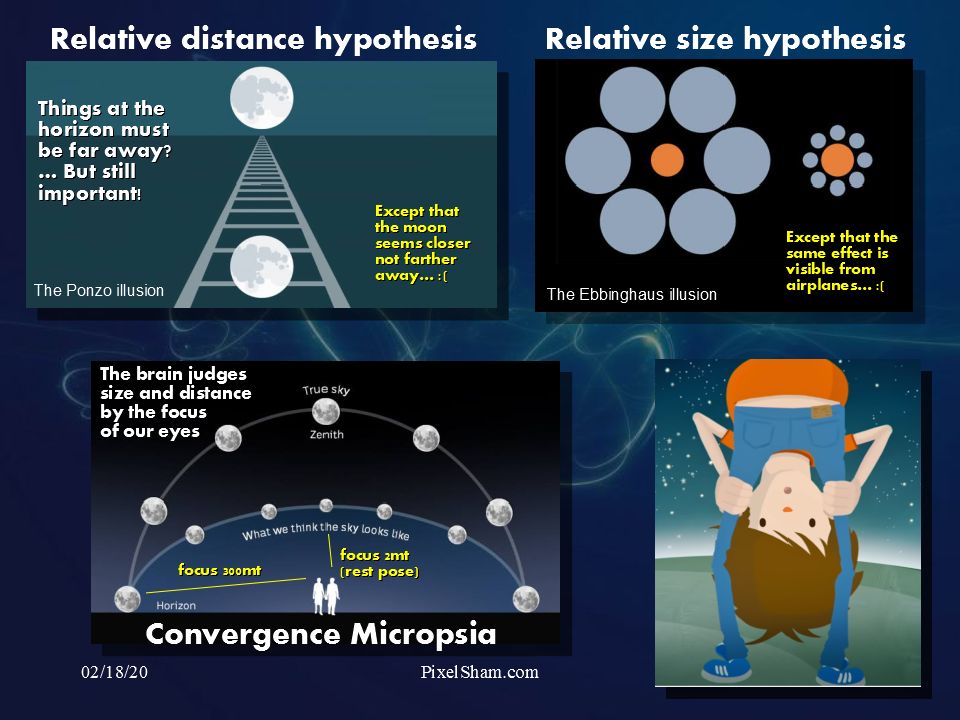
- Reading illusions
- Physiology vs technology
- Macbeth chart reference
- Using perception to our advantage
- Production case studies
- Best cinematography study
Lighting: Structure Break Down
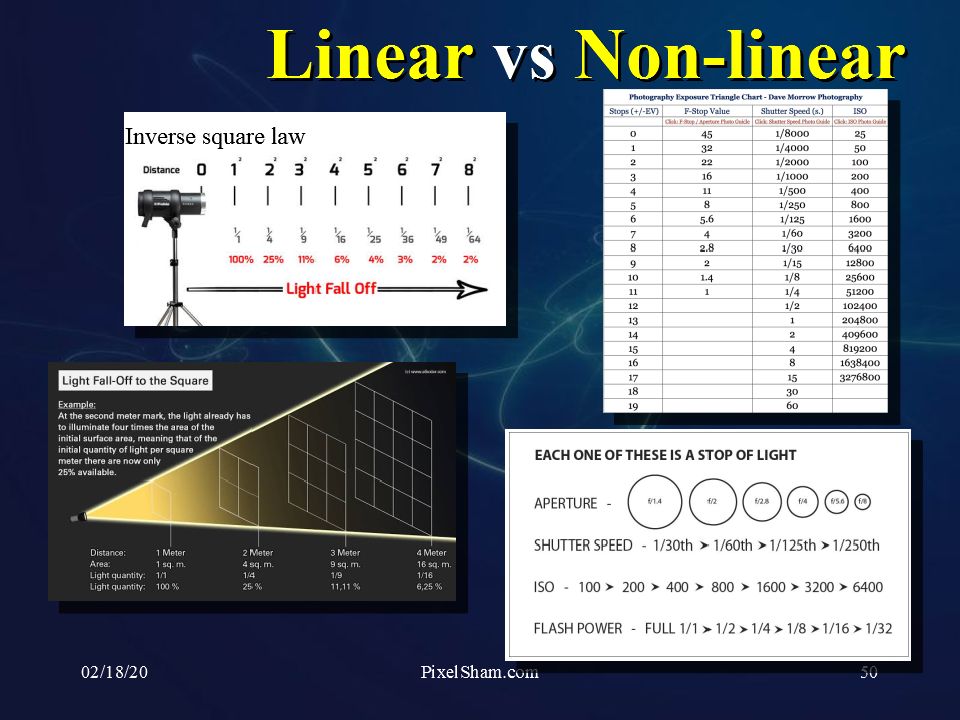
- Measuring light
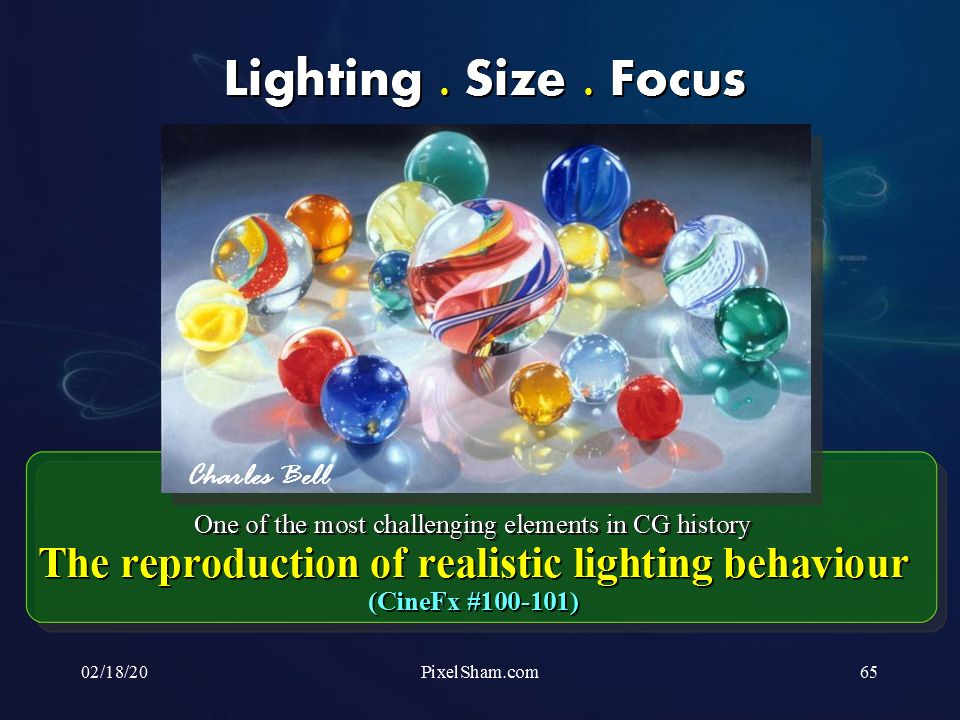
- Motivated vs Physically based lighting
- 3 point lighting
- The 4 fundamental lighting setups
- Lighting elements case studies
- Lighting priorities and scopes
- 10 Most beautiful movies of all time
Scene Composition
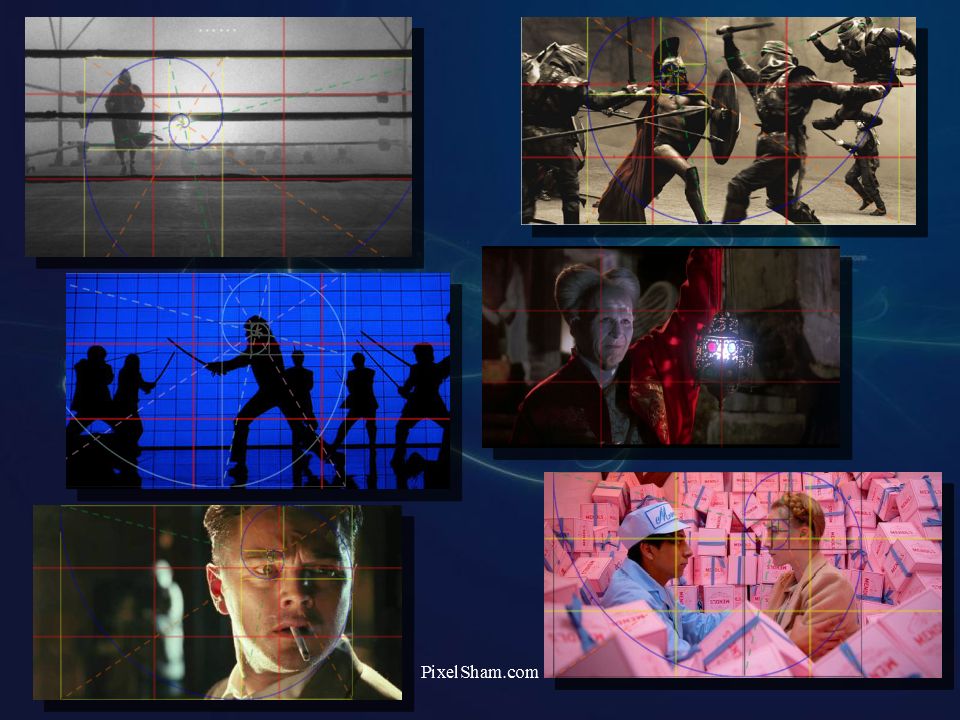
- A guide to composition fundamentals
- Scene deconstruction and construction
- Production examples
- Defining focus
- Visual hierarchy
- Key photography and scene composition guidelines
- Case studies
Color: Theory but practice
- When did we define colour
- How do we define colour
- What we define colour
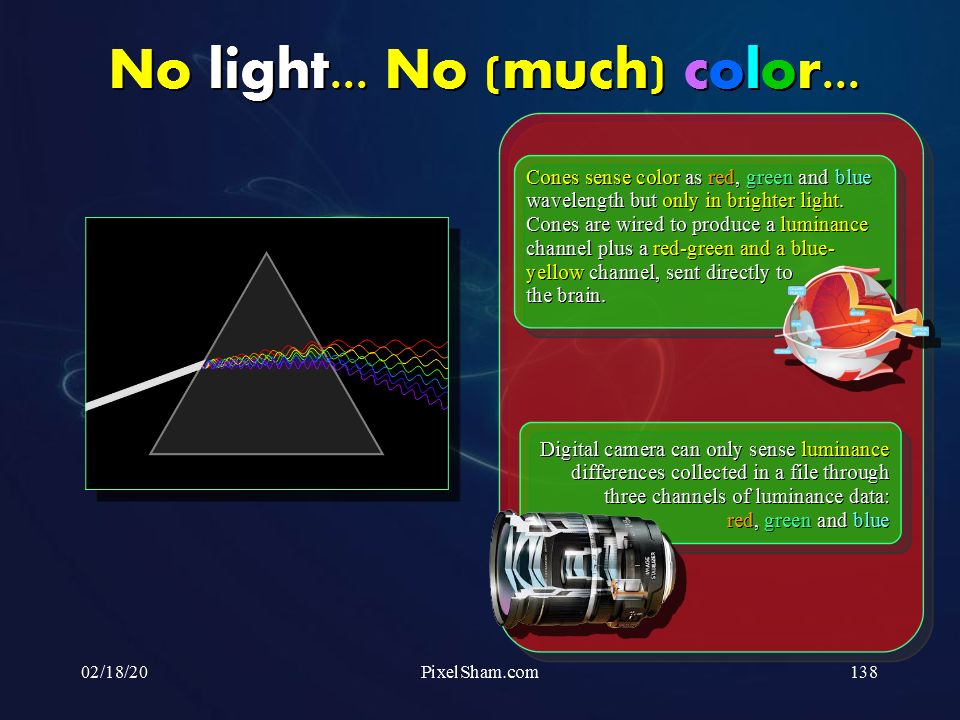
- Physiology & technology
- Metamerism
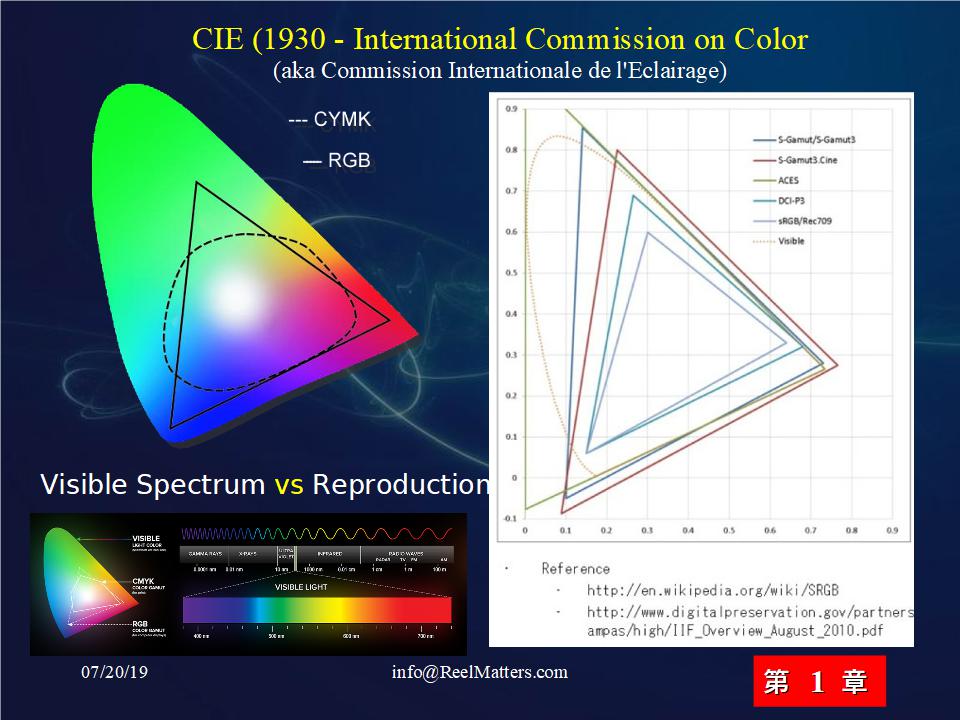
- CIE-1931
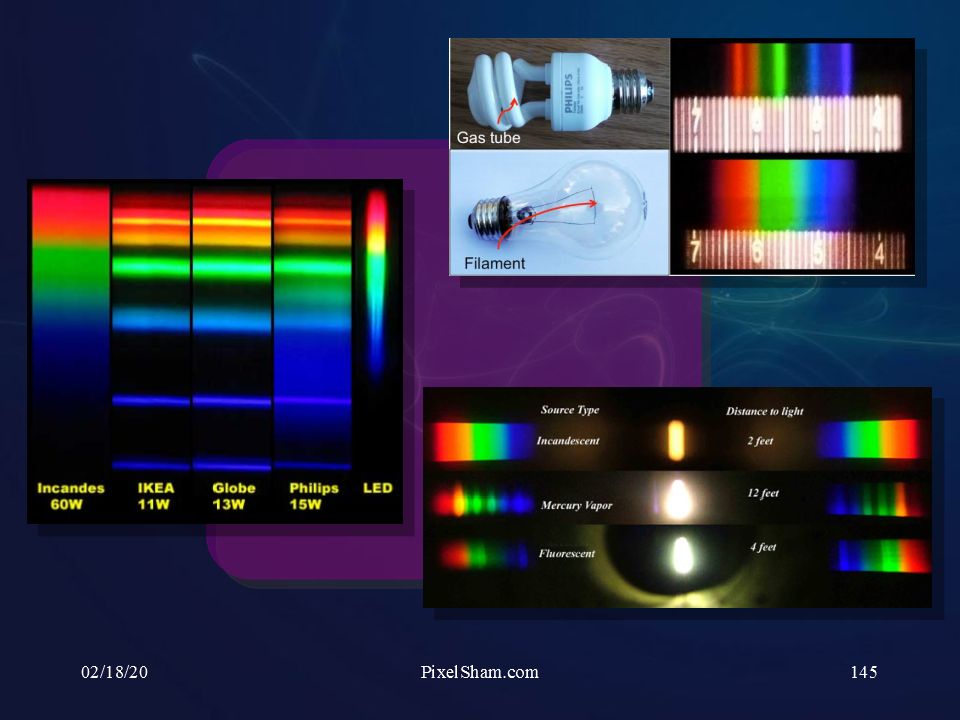
- Spectral power distribution
- Lines of emission and absorption
- Gamuts and LUTs
- HDR
- Pointer Gamut and Rec-2020
- Color harmony guidelines
Best practices for Technical Directors.
A production pipeline from a technology, budget and creative perspective
- Dealing with long daily cycles
- Lighting cheat-sheet
- When to invest into development
- Investing into continuity
- Technology, Budgets and Creativity
- Pipeline fundamentals and flow
- Defining show, sequence, key and shot level elements
- The key advantages of a destructive pipeline environment and modular levels.
- Minimizing shot and production costs using a projection network.
- Pushing versus Pulling published data.
- Naming conventions
Behind the artist's success
- Educating the artist about education
- EQ vs IQ
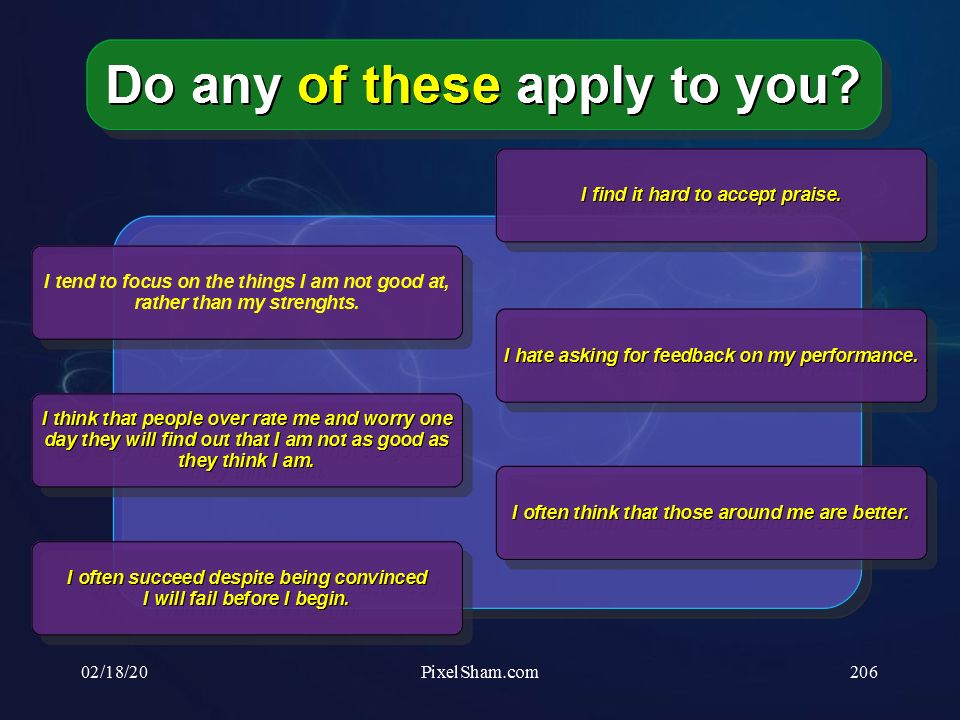
- Batman's Impostor syndrome
- OverTime vs Passion
- Leadership vs management
- Career as a commodity
- The artist's cost of working
- Demo Reel best practices
- Getting hired
- Discussing money
- Keeping your job
Presentation samples